


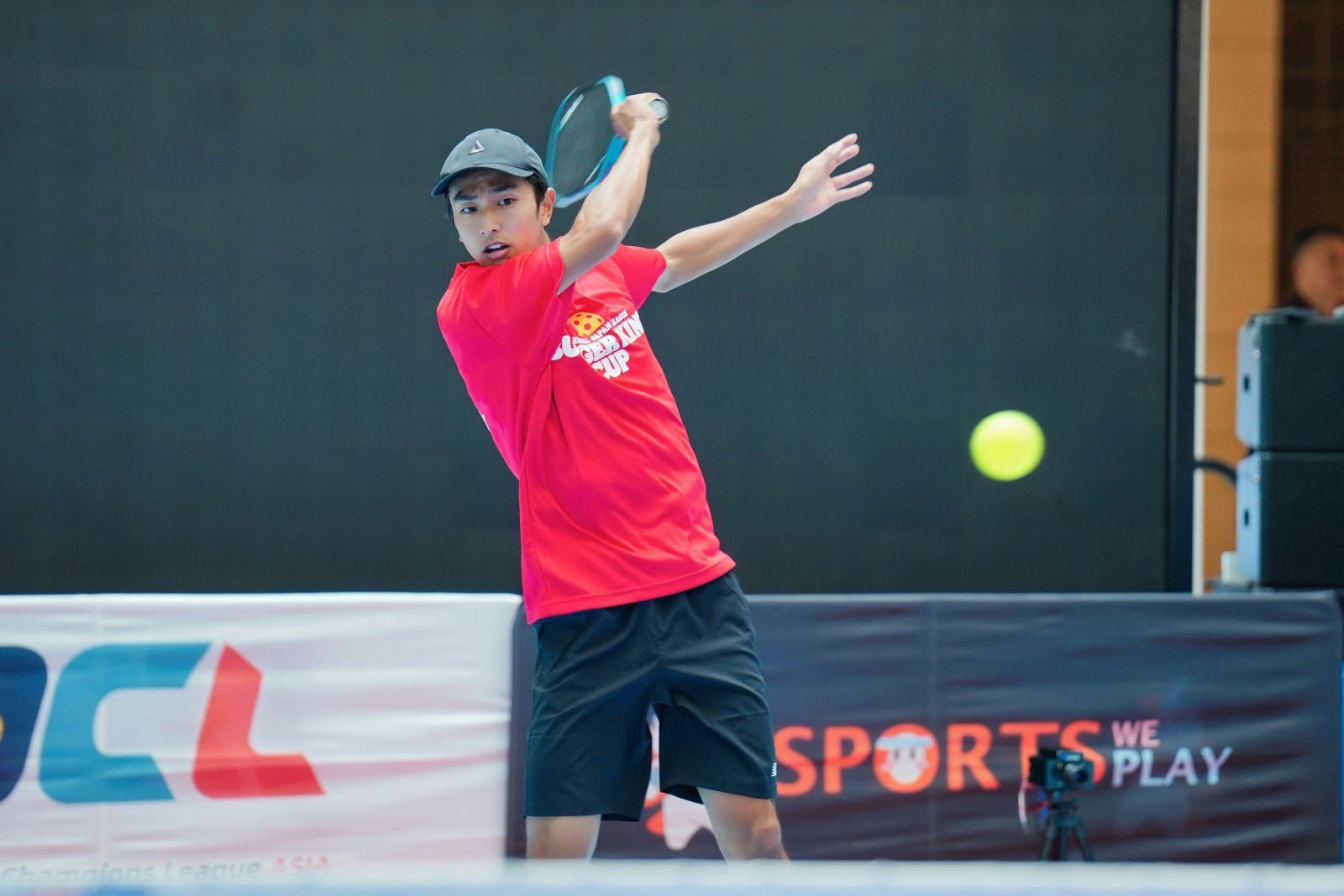
Photo Credits to: PCL Asia
Pickleball is spreading across the world at an incredible pace, and one region is beginning to stand out as a major driver of the sport’s future: Asia.
From fast-growing city communities to new tournaments and youth programs, the sport is gaining traction in countries throughout the region. While pickleball is still relatively young in many Asian markets, the ingredients for long-term growth are already in place.
With massive populations, strong racquet sports traditions, and rapidly developing sports infrastructure, Asia has the potential to become one of the most important regions for professional pickleball.
A Massive Player Base Waiting to Be Discovered
Asia is home to more than half of the world’s population. Even a small percentage of participation would create one of the largest pickleball player bases anywhere.
In major cities across Southeast and East Asia, new players are discovering the sport through community groups, social clubs, and local tournaments. Once players learn the game, it tends to spread quickly through friends, families, and sports communities.
This kind of grassroots growth is exactly how many sports gain long-term traction.
Pickleball Fits Perfectly in Urban Cities
Many Asian cities are dense and space is limited, which makes large sports facilities difficult to build. Pickleball offers a practical solution because the courts are smaller and can fit into existing sports complexes, tennis clubs, and multi-use recreation spaces.
A single tennis court can often be converted into several pickleball courts, allowing more players to participate at the same time.
For developers and recreation centers, this efficiency makes pickleball an attractive sport to introduce.
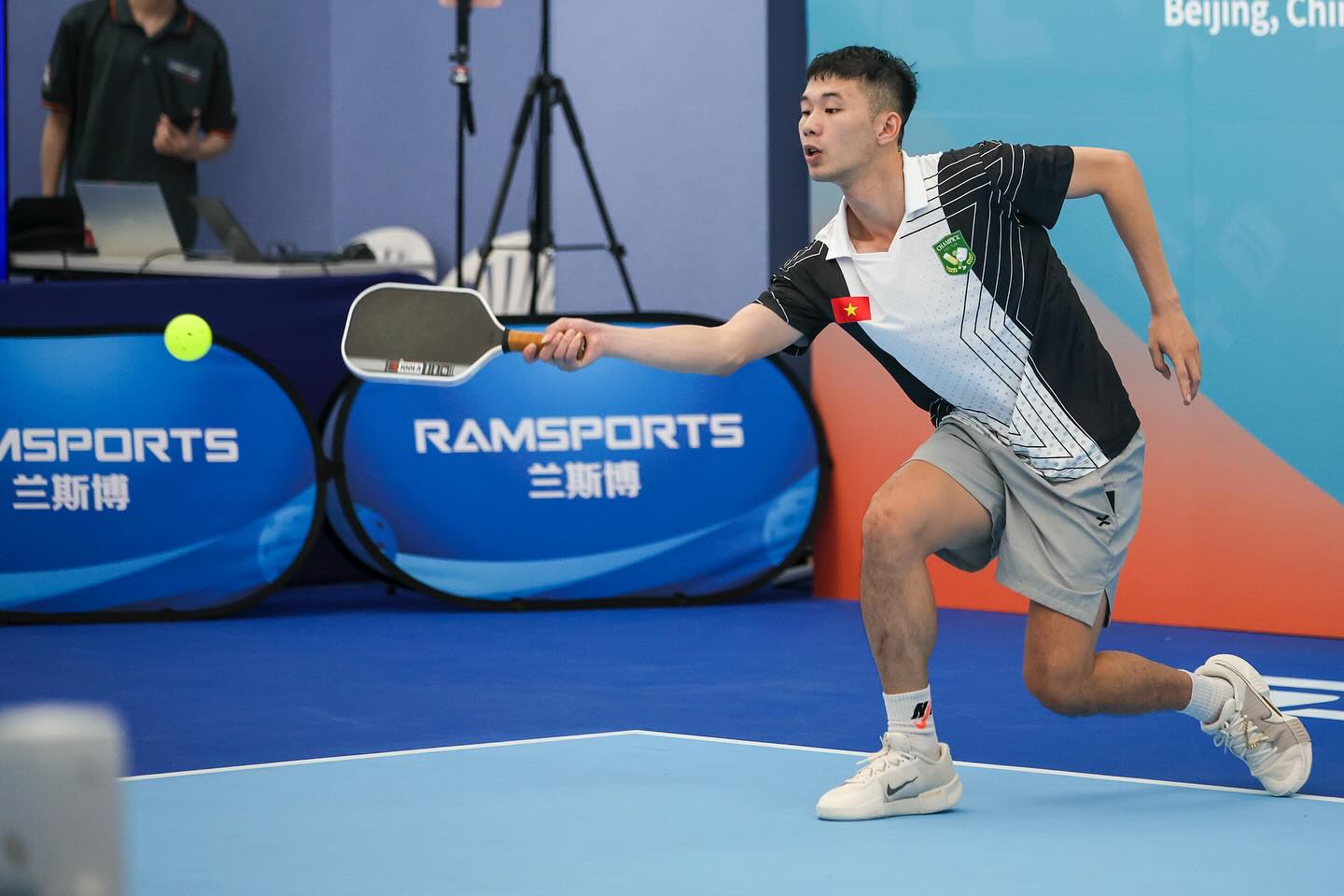
Photo Credits to: PCL Asia
Strong Racquet Sports Culture
Asia already has a deep tradition of racquet sports.
Badminton, table tennis, and tennis are widely played across the region, and many athletes grow up developing skills that translate naturally to pickleball. The quick reactions, hand-eye coordination, and strategic play required in those sports often give players a strong foundation when they first try pickleball.
Because of this, many new players are able to learn the sport quickly and become competitive in a relatively short amount of time.
Youth Programs Are Beginning to Emerge
Another key factor in building a professional sport is youth development.
In several countries, schools, academies, and sports organizations are starting to introduce pickleball to younger players. The sport is easy to learn, inexpensive compared to many other sports, and can be played in smaller spaces, making it ideal for school programs.
As more youth players are introduced to the game, the region could develop a strong pipeline of future competitive athletes.
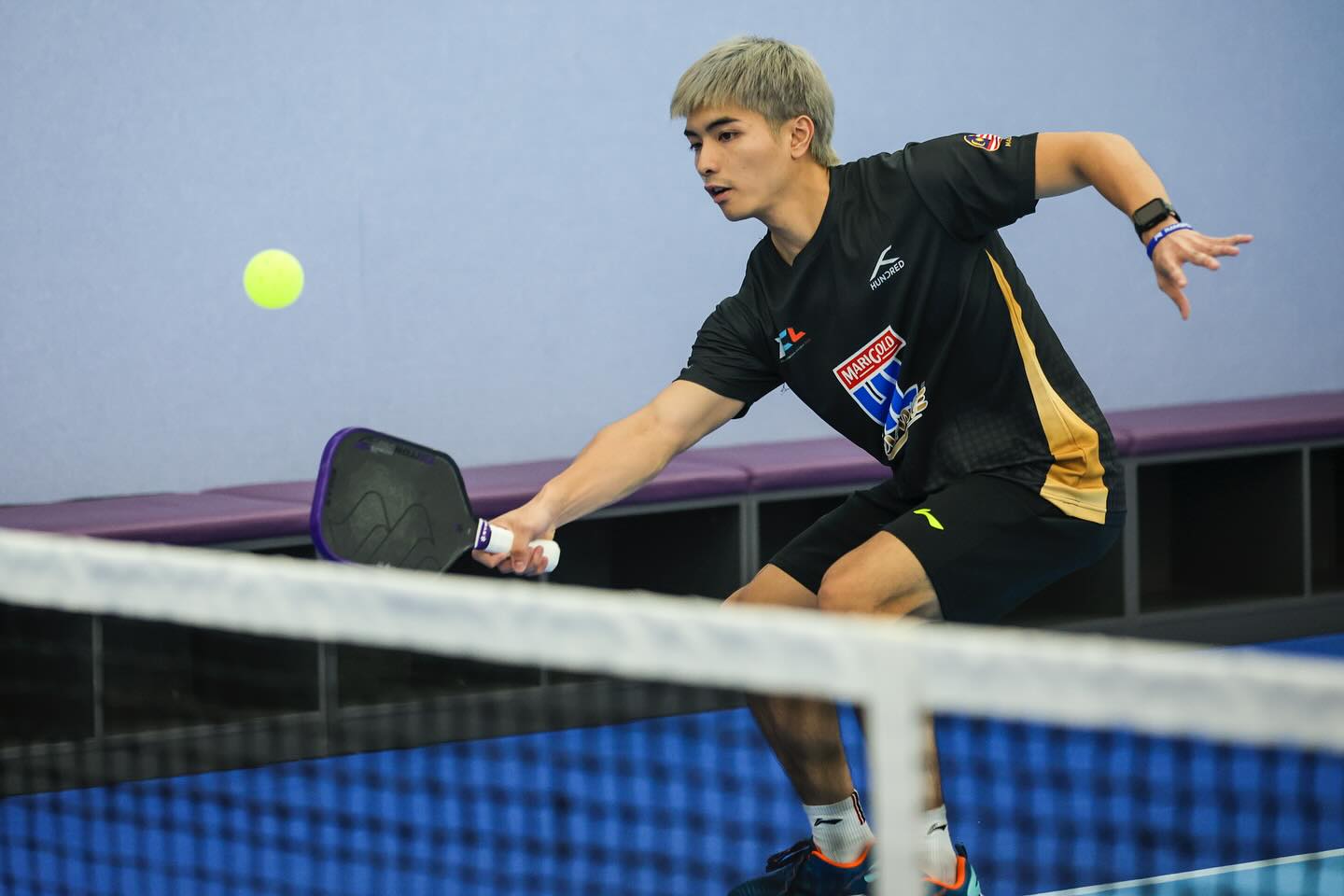
Photo Credits to: PCL Asia
A Growing Sports and Sponsorship Market
Asia’s sports industry is expanding rapidly, with increasing investment in both professional leagues and recreational sports.
Large brands are actively looking for emerging sports that connect with younger audiences and growing communities. Pickleball’s social nature and accessibility make it appealing to both recreational players and corporate partners.
As tournaments, leagues, and clubs continue to develop across the region, sponsorship opportunities are likely to follow.
The Next Chapter of Pickleball
Pickleball is still in the early stages of its global growth, which means the next generation of players, tournaments, and professional circuits could emerge from many different regions.
Asia has the population, infrastructure, and sports culture to become one of the sport’s most important markets. As communities continue to grow and new players discover the game, the region could play a major role in shaping the future of professional pickleball.
The next wave of the sport may not just happen here—it may be built here.